
Understanding the psychological tactics behind casino games a guide to player behavior
The Allure of Casino Environments
The environment within a casino is meticulously designed to create a captivating atmosphere that keeps players engaged. Bright lights, vibrant colors, and strategically placed sounds all work together to evoke excitement and anticipation. Research indicates that these sensory stimuli trigger the brain’s reward centers, making players more likely to spend extended periods in the gaming area. Casinos often utilize scents like vanilla or citrus to enhance mood, further immersing players in the experience. For those seeking thrilling online options, spin-rio-casino.com offers an excellent alternative.
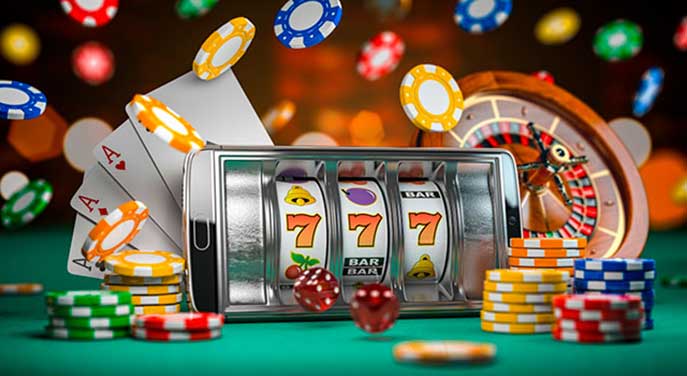
This carefully crafted environment also plays a significant role in influencing player behavior. The layout of a casino is not arbitrary; it’s purposefully arranged to encourage movement between games and amenities. By creating an almost maze-like setting, players are drawn to different areas, often leading them to gamble on various games they might not have initially chosen. This design strategy effectively increases the time spent gambling and, subsequently, the amount wagered.
Moreover, the lack of windows and clocks in many casinos contributes to a loss of time perception, making it easier for players to stay longer than intended. The combination of these psychological tactics leads to a heightened sense of excitement, creating an experience that players find difficult to resist. This immersive environment is crucial for understanding how players behave and make decisions within casinos.
The Role of Cognitive Biases
Cognitive biases significantly influence player behavior in casinos, often leading individuals to make irrational decisions. One common bias is the illusion of control, where players believe they can influence outcomes in games that are predominantly luck-based, such as slot machines or roulette. This belief encourages continued play, as players feel they have a say in their success. For instance, a player might believe that a certain slot machine is “due” for a payout after a series of losses, prompting them to keep gambling.
The gambler’s fallacy also plays a significant role in decision-making at casinos. This bias leads individuals to think that past events affect future outcomes in random games. For example, if a roulette wheel has landed on red several times in a row, a player might feel compelled to bet on black, believing it is “due” to hit. Such misconceptions can lead to increased betting and significant losses, driven by a distorted perception of probability and chance.
These cognitive biases create a false sense of security among players, often encouraging risky behavior. Understanding these psychological traps is essential for both players and casino operators, as it highlights the need for responsible gambling practices. By recognizing the influence of cognitive biases, players can make more informed decisions and casinos can implement measures to promote safer gambling environments.
The Impact of Near Misses
Near misses are a powerful psychological tactic often employed in casino games, particularly in slot machines. A near miss occurs when a player is one symbol away from winning, creating a perception of potential success. This psychological phenomenon reinforces continued play, as players often feel they are “close” to hitting it big. Research has shown that near misses can trigger similar brain responses to actual wins, creating a dopamine rush that keeps players engaged.
This tactic exploits the brain’s natural inclination toward reward-seeking behavior. The emotional response to near misses can sometimes overshadow the rational assessment of losses, prompting players to chase that elusive win. For example, a player who experiences multiple near misses may convince themselves that a jackpot is imminent, increasing their bets in hopes of finally achieving that goal. Such behavior can quickly lead to financial strain, as the excitement of potential victory overshadows the reality of past losses.
Additionally, casinos strategically design game features to enhance the near-miss effect, such as increasing the frequency of these occurrences in games. This manipulation encourages players to stay longer and spend more, illustrating how psychological tactics can drive player behavior. Recognizing the impact of near misses can empower players to make more rational choices and mitigate excessive gambling habits.
The Psychology of Bonuses and Promotions
Bonuses and promotions are integral tools that casinos use to attract and retain players. These incentives often exploit psychological principles, making players feel as though they are receiving exceptional value. For instance, “free spins” or “no deposit bonuses” create an immediate sense of excitement and opportunity, drawing players in with the allure of risk-free gambling. This tactic feeds into the player’s desire for instant gratification, encouraging them to engage with the games more frequently.
Moreover, loyalty programs capitalize on the psychological phenomenon of commitment. As players accumulate points or rewards, they feel a sense of investment in the casino, which can lead to increased gambling behavior to maximize benefits. The longer players remain active, the more they associate the casino with positive experiences, reinforcing their loyalty and encouraging them to return. This cycle creates a powerful incentive for continued play, often leading to behaviors that may not be in the best interest of the player.
By employing bonuses and promotions strategically, casinos can effectively shape player behavior and create a sense of urgency to gamble more. Understanding the psychological underpinnings of these offers can help players recognize when they are being influenced, allowing them to make more deliberate choices. Awareness of these tactics can lead to responsible gambling practices that prioritize long-term enjoyment over short-term thrills.
Enhancing Awareness Through Education
Understanding the psychological tactics employed by casinos is essential for promoting responsible gaming. Education is crucial in empowering players to recognize and resist manipulative strategies. By providing resources and information about cognitive biases, the allure of near misses, and the impact of bonuses, casinos can encourage healthier gambling habits. Many casinos are beginning to implement programs that inform players about responsible gaming, helping them understand the psychological elements at play.
These educational initiatives can serve to enhance player awareness and foster a more informed gambling environment. As players become more knowledgeable about the tactics designed to entice them, they can make conscious decisions that align with their personal limits and financial boundaries. Additionally, providing tools like self-exclusion and budget-setting can further support responsible gambling, reducing the risks associated with excessive play.
Ultimately, creating a culture of awareness around the psychological tactics behind casino games not only benefits players but also fosters a healthier industry overall. By prioritizing education, casinos can balance profitability with player welfare, ensuring that gambling remains an enjoyable and safe form of entertainment for all.